
Journalists Applaud NLNG’s “Change Your Story” 2026 Training as Transformative Milestone for Media Professionals
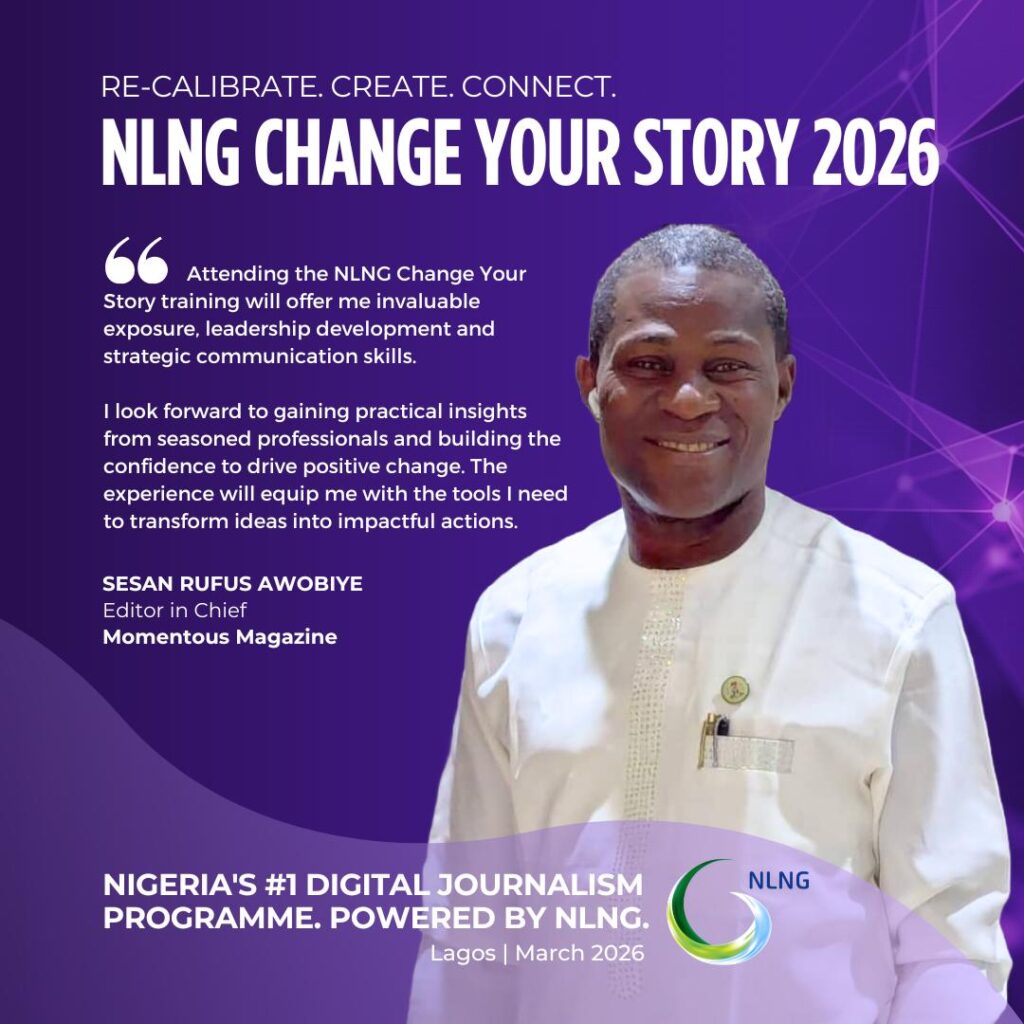
By:Sesan Rufus Awobiye
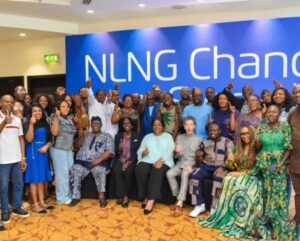
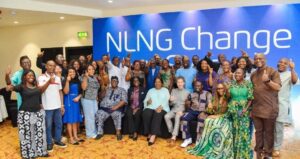
LAGOS — Energy, excitement, and a renewed sense of purpose filled the air as the 2026 edition of the NLNG “Change Your Story” training programme came to a close, leaving participating journalists with what many described as a truly transformative experience.
What began as a three-day workshop quickly evolved into a defining moment for media professionals drawn from diverse organisations. The initiative not only challenged long-standing journalistic practices but also equipped participants with practical tools required to thrive in today’s fast-evolving, digital-first media landscape.
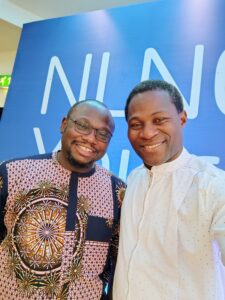
From the very start, attendees immersed themselves in an engaging, hands-on learning environment, pushing beyond familiar routines and embracing innovative storytelling techniques. By the end of the programme, participants reported not just improved technical abilities, but a complete shift in mindset—towards more audience-focused, impactful journalism.
Speaking with Marketing Edge, several participants highlighted the far-reaching impact of the training, describing it as an experience that has reshaped how they think, work, and tell stories. They commended the organisers for delivering a programme that exceeded expectations while significantly enhancing their professional capabilities.
Muyiwa Akintunde of Breezy News described the training as “awesome,” noting that it sharpened his focus on audience-centred storytelling and inspired a fresh approach to content creation. He added that the experience has better prepared him for the launch of his YouTube channel, emphasising that journalism must prioritise relevance, people, and impact.
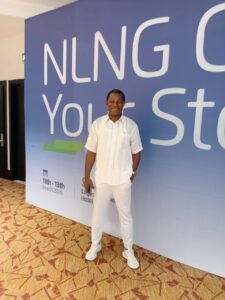
Similarly, Funmilola Gboteku of the News Agency of Nigeria admitted she began with modest expectations but quickly recognised the programme’s depth. She highlighted newly acquired skills in video production, editing, and digital storytelling, stressing their immediate value to her reporting. She also advocated for sustained investment in journalists to ensure long-term growth in the industry.
Vivian Ihechu, also of the News Agency of Nigeria, underscored the urgency of adapting to digital journalism, describing the training as one of the most insightful she has attended. She praised its practical emphasis on multimedia storytelling, data usage, and audience engagement, pledging to cascade the knowledge within her organisation.
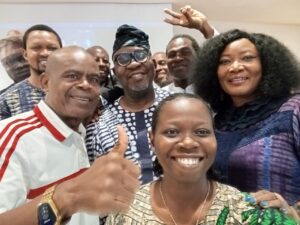
Zulu Anih characterised the programme as an eye-opener, particularly noting its integration of artificial intelligence and digital tools to simplify complex journalistic processes. He commended its structure and long-term relevance, describing it as essential preparation for the future of journalism.
Raymond Tedunjaye of the New Nigerian Newspaper also lauded the training’s depth, describing the knowledge gained as both extensive and immediately applicable. He highlighted the role of AI in enhancing storytelling and praised facilitator Mr. Dan Mason for his professionalism and engaging teaching style. Tedunjaye further expressed gratitude to NLNG for providing access to such a high-level programme, noting that similar training would typically come at significant cost.
Beyond individual reflections, participants collectively emphasised the need for stronger collaboration between media organisations and corporate institutions. They stressed that journalists play a vital role in shaping narratives and influencing public perception, urging more organisations to invest in capacity-building initiatives.
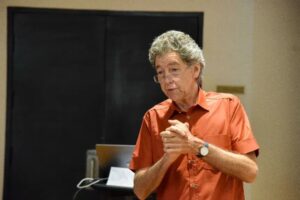
Facilitator Mr. Dan Mason, reflecting on his long-standing connection with Nigeria’s media landscape, recalled his first training engagement in the country in 2011 under a British Council/Thomson Foundation project. He highlighted his continued collaboration with Taiwo Obe, founder of Journalism Clinic, noting their shared commitment to nurturing the next generation of Nigerian journalists. He also acknowledged the contributions of travel writer and tourism ambassador Pelu Awofeso, praising his dedication and positive impact on the programme.
Momentous Media House, led by its Publisher and Chief Editor, Prince Sesan Rufus Awobiye, expressed deep appreciation to NLNG for its commitment to developing journalism in Nigeria. Awobiye, who was present throughout the programme, commended the organisers for creating an impactful platform that empowers media professionals with relevant, future-focused skills.
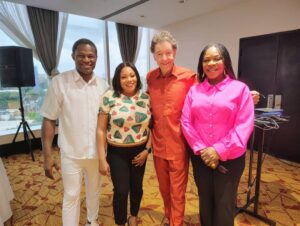
The organisation also extended heartfelt gratitude to Mr. Dan Mason for his exceptional delivery and mentorship, describing his contribution as instrumental to the programme’s success.
All of us at Momentous Media House proudly recognise and appreciate the support, impact, and invaluable knowledge gained from the workshop. We also acknowledge the presence and participation of the following professionals who contributed to the richness of the experience:
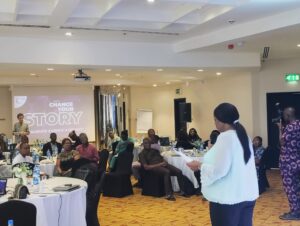
Agatha Emeadi, Appolonia Adeyemi, Adama Amahiri, Akeem Lasisi, Aminat Ojelabi, Jayeola Ayodele, Barnabas Esiet, Ben Ndubuwa, Chike Onwuegbuchi, Chizoba Anuforom, Chuks Okonta, Felicia Nwosu, Anikeade Funke-Treasure, Funmilola Gboteku, Babajide Leigh, Muyiwa Akintunde, Ndali Enu, Ngozi Onyeakusi, Ngozi Uma, Olawin A. Oludare, Olu Phillip, Oluyinka Onigbinde, Ozolua Uhakheme, Raymond Tedunjaye, Samson Akintaro, Sesan Rufus Awobiye, Shola Soyele, Charles Ogundipe, Theresa Akpotor, Ugo Amadi, Vivian Ihechu, Zulu Anih, and Wale Igbintade.
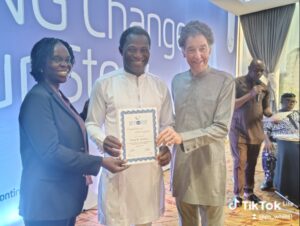
For many attendees, the training represented far more than a workshop—it marked a turning point. It strengthened their confidence, sharpened their skills, and equipped them to navigate the evolving media landscape with renewed clarity and purpose.
About Author