

VeendHQ Reports 40% Recovery Rate on Delinquent Loans Using Vida AI
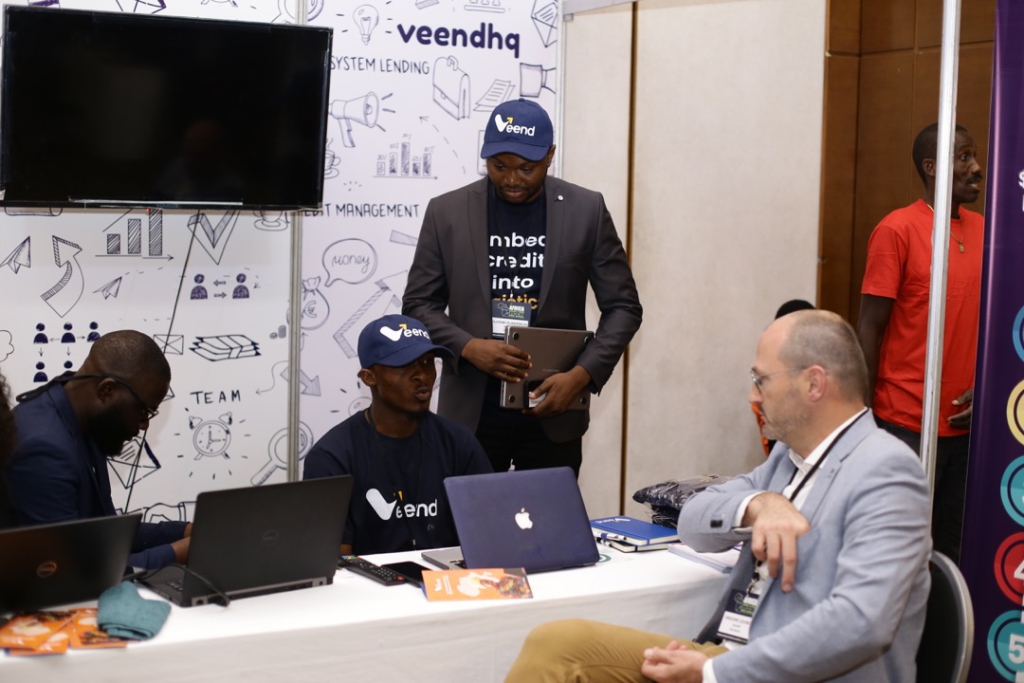
VeendHQ says its AI-powered credit platform, Vida AI, helped recover ₦69 million from a ₦172.5 million portfolio of loans that were more than 90 days overdue, in a pilot that highlights the growing role of technology in loan recovery and portfolio management.
The result comes at a time when lenders are under increasing pressure to improve recovery outcomes while managing the cost, reputational risk, and operational burden associated with overdue loans. For many credit providers, the challenge is no longer only how quickly loans can be approved, but how effectively repayment can be monitored and delinquent loans can be recovered after disbursement.
According to VeendHQ, the pilot delivered a 40 percent recovery rate on the overdue loan portfolio. The company said the result significantly outperformed traditional recovery benchmarks, where a five percent recovery rate on a similar loan book would amount to about ₦8.6 million.
VeendHQ said the pilot demonstrates how Vida AI can support lenders beyond credit assessment, extending into repayment monitoring, collections, and recovery.
“Credit access is only one side of lending. The bigger challenge for many lenders is what happens after disbursement,” said Olufemi Olanipekun, Co-founder and CEO of VeendHQ. “Vida AI helps lenders make smarter decisions across the credit lifecycle, from approval to repayment and recovery.”
VeendHQ, a Nigerian fintech company building digital credit infrastructure, developed Vida AI as an artificial intelligence-powered platform for lenders, merchants, and financial institutions. The platform supports credit assessment, identity verification, repayment collections, and loan management workflows.
With the recovery pilot, the company is positioning Vida AI beyond loan origination, as a tool for lenders seeking to improve repayment performance and manage overdue portfolios more efficiently.
Delinquent loans remain a major cash-flow challenge for lenders. Once loans exceed 60 to 90 days past due, recovery becomes more difficult, expensive, and unpredictable. Traditional approaches such as manual calls, recovery agents, and legal escalation often increase costs without significantly improving recovery rates.
VeendHQ said Vida AI’s recovery workflow enables lenders to upload overdue loan records, verify borrower information, assess repayment capacity, and trigger automated recovery actions. This gives lenders better visibility after disbursement and allows recovery teams to prioritize overdue portfolios more effectively.
“If lenders cannot recover efficiently, they become more conservative with lending. That affects consumers, small businesses, and the wider credit market,” Olanipekun said. “Better recovery infrastructure gives lenders more confidence to lend, manage risk, and keep credit flowing.”
The company said the recovery use case is especially relevant for banks, microfinance institutions, digital lenders, cooperatives, and merchants managing loans that are 60 to 180 days past due. It added that it plans to deepen Vida AI’s recovery capabilities for credit providers seeking to improve recovery performance without relying solely on manual methods.
“As lending expands across Nigeria and Africa, recovery infrastructure is becoming as critical as origination,” Olanipekun said. “Tools that improve both will define which lenders can scale sustainably.”
The pilot, VeendHQ says, points to a broader shift in the credit market: approval speed alone is no longer enough. Increasingly, lenders will be defined by how effectively they monitor repayment, recover overdue loans, and manage portfolio risk over time.
About Author